

Battery Recycling
Battery Recycling at UCCS
Proper battery disposal protects our campus, our community, and the environment. As part of UCCS’s commitment to reducing waste and promoting responsible resource management, this page helps students, faculty, and staff identify battery types and recycle them safely. By keeping batteries out of landfills and ensuring they are handled correctly, we support a healthier campus and move closer to our zero-waste goals.
Battery recycling at UCCS is for students, faculty, and staff.
Colorado Springs has free community options for El Paso County residents:
El Paso County Household Hazardous Waste Facility –
Accepts household hazardous waste, including batteries, at no charge for El Paso and Teller County households. The facility is located at 3255 Akers Dr, Colorado Springs, CO 80922. Proof of residency (photo ID, lease, etc.) is required. El Paso County Community Resources+2SOCO Waste+2Call2Recycle –
A nonprofit battery recycling program that partners with retailers like Home Depot and Lowe’s. They accept most rechargeable batteries up to 11 lbs (NiCd, NiMH, Li-ion, etc.), and in some areas also accept single-use alkalines. Use their “Where to Recycle” locator to find nearby free drop-off sites.
Battery Recycling FAQ
Find answers to common questions about battery safety, recycling preparation, and where to drop off used batteries at UCCS.
- Lane Center – 1st floor
- Centennial Hall – Outside the main lecture hall (room 203), near the water bottle refill station
- Osborne Center – 2nd floor
- Academic Office Building – 1st floor
- Engineering Building – Ground floor lobby near the west entrance
- Campus Services – Front entrance reception area
- Kraemer Family Library – Inside the main entrance, near the IT Help Desk
- OIT - At the front desk
Store used batteries in a cool, dry place away from heat sources. Tape the terminals of lithium, lithium-ion, and 9-volt batteries with clear tape to prevent sparks. Keep different battery types separate in small bags or containers. Never store damaged, swollen, or leaking batteries; contact UCCS Environmental Health & Safety for proper handling.
Each battery type requires a different recycling process:
Alkaline (AA, AAA, C, D) - Non-hazardous, but still recyclable. Tape terminals if corroded; store separately.
Lithium Primary (CR123A, CR2, etc.) - Tape terminals; required for fire safety.
Lithium-Ion Rechargeables (phone, laptop, camera batteries) - Must be recycled; NEVER place in trash or campus blue bins.
Lead-acid (car, scooter, large UPS batteries) - NEVER drop in campus bins; must go to a specialized drop-off center.
Batteries contain different chemicals, metals, and voltage ranges.
Lithium-ion can cause fires if terminals touch.
Alkaline batteries contain zinc and manganese that must be processed differently.
Button cells may contain silver, lithium, or in older models, mercury.
Understanding these differences helps prevent accidents and ensures materials are recovered properly.
Do not store damaged batteries with others or place them in drop-off containers. Place the battery in a non-flammable container (such as sand or kitty litter), tape any exposed areas, and contact:
UCCS Environmental Health & Safety (EHS)
https://dess.uccs.edu/ehs
No. Batteries can spark, leak hazardous chemicals, or cause fires in compactors and recycling facilities. NEVER place batteries in:
Trash bins (Balck bin)
Recycling bins (Blue bins)
Compost bins (Green bins)
Office paper recycling containers
Tape the terminals of all lithium-based or 9-volt batteries
Place batteries of the same type in small clear bags
Do NOT mix different battery chemistries
Keep batteries dry and clean
Remove any devices if possible (phones, toys, remotes)
Battery Safety & Disposal Guidelines
Follow these general guidelines to keep our campus safe and ensure all batteries are handled and recycled properly. Different battery types require different precautions, but these rules apply to all of them:
• Do not mix battery types (e.g., alkaline + lithium) inside devices.
• Avoid short circuits - never store loose batteries where terminals can touch metal.
• Do not incinerate batteries - they may explode or release toxic fumes.
• Recycle whenever possible - batteries contain valuable and hazardous materials.
• Follow device manufacturer instructions for compatible battery types.
These guidelines were adapted from reputable sources including the U.S. Environmental Protection Agency (EPA), Call2Recycle, and major battery manufacturers.
Battery Types & How to Recycle Them
Different batteries require different handling and recycling steps. Select a battery type below to learn how to prepare it for safe disposal on campus.
Alkaline Batteries (AA, AAA, C, D, 9V)
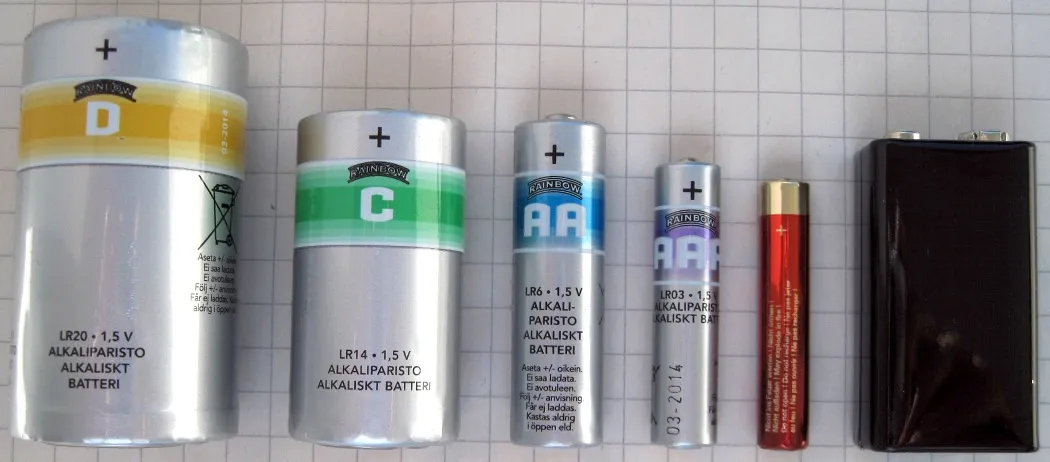
Alkaline batteries are the most common household batteries and come in sizes such as D, C, AA, AAA, and 9V.
Where you’ll see them: remotes, toys, flashlights, clocks, and small electronics.
How to prepare for recycling:
Tape the terminals on 9V batteries and any battery with exposed metal contacts
Keep batteries dry and unbroken
Place only in the designated battery collection container on campus
Important: Do not place alkaline batteries in campus recycling bins.
Use the designated battery collection container instead.
Lithium Primary (Non-Rechargeable)
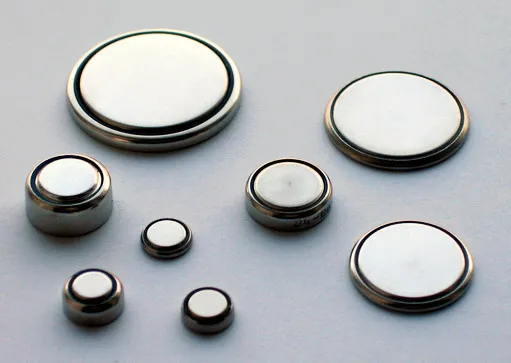
Lithium primary batteries are single-use batteries commonly found in small electronics. This includes coin cells (CR2032, CR2025), camera batteries (CR123A), and lithium AA cells.
Where you’ll see them: key fobs, watches, calculators, scales, cameras, LED lights, small sensors, and computer motherboards (CMOS batteries).
How to prepare for recycling:
Tape both sides of coin cells to fully cover the metal surface
Tape the terminals of cylindrical lithium primary batteries
Place each battery in an individual plastic bag if possible
Deposit only in the lithium primary collection container on campus
Important: Lithium primary batteries can short-circuit or pose ingestion hazards.
Do not throw them in the trash or campus recycling bins.
Lithium-Ion Rechargeable Batteries
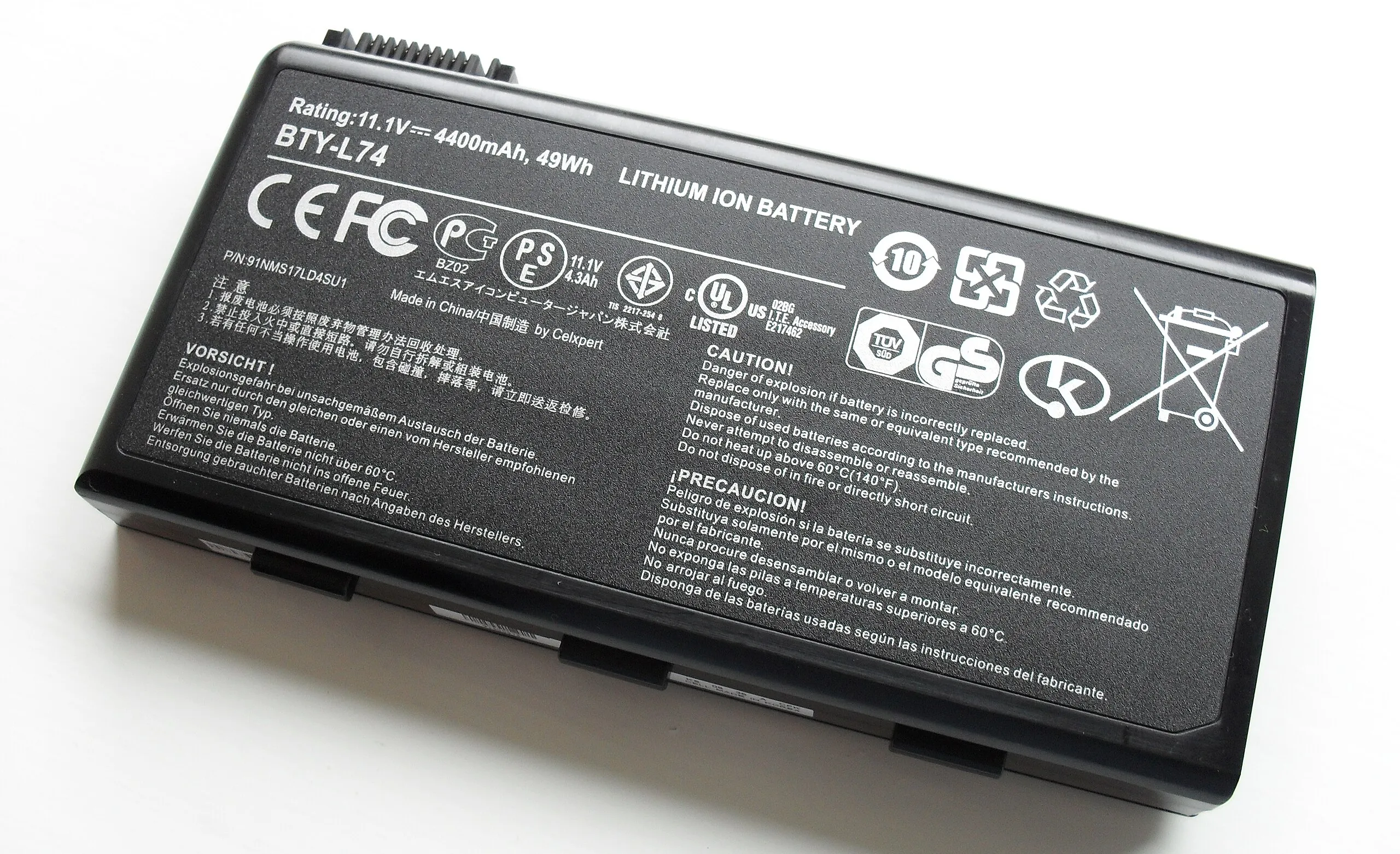
Lithium-ion batteries are rechargeable high-energy batteries used in most modern portable electronics.
Where you’ll see them: phones, laptops, tablets, cameras, vapes, power tools, scooters, e-bikes, and headphones.
How to prepare for recycling:
Tape the battery terminals or place each battery in a separate plastic bag
If the battery is swollen, leaking, or damaged, do NOT place it in a drop-off box
Contact UCCS Environmental Health & Safety or take it to the county Household Hazardous Waste facility
Keep batteries dry and store them away from heat until disposal
Important: Lithium-ion batteries can catch fire if damaged or improperly stored.
Handle with care and recycle only through designated collection programs.
NiMH & NiCd Rechargeable Batteries
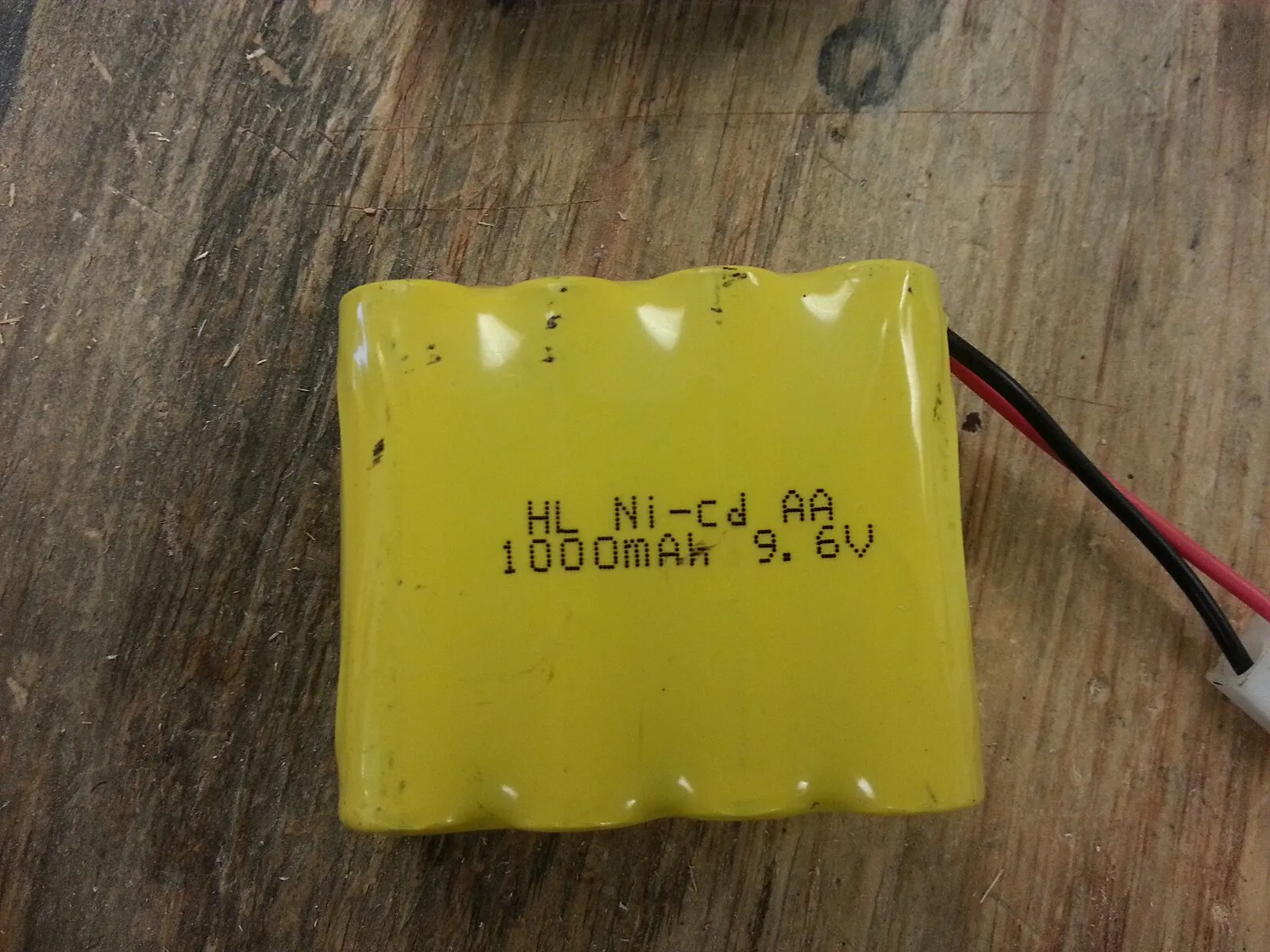
Nickel-based rechargeable batteries include NiMH (nickel-metal hydride) and NiCd (nickel-cadmium). They are often found in older electronics and household devices.
Where you’ll see them: rechargeable AA/AAA batteries, cordless phones, digital cameras, flash units, older RC toys, emergency lights, and older power tools.
How to prepare for recycling:
Tape the terminals or place each battery in a small plastic bag
Keep batteries clean, dry, and unbroken
Deposit only in the rechargeable battery collection container on campus
Important: NiCd batteries contain toxic cadmium and must be recycled safely.
NiMH and NiCd should never be placed in trash or campus recycling bins.
Battery Breakdown: What Makes Each Type Different
Understanding how different battery types look and function helps ensure safe handling and proper recycling across campus. This quick guide highlights the chemistry, shapes, voltage, and common uses of the batteries you’re most likely to encounter.
Alkaline Batteries (AA, AAA, C, D, 9V)
Composition: Zinc anode, manganese dioxide cathode, alkaline electrolyte
Voltage: 1.5V
Shape: Cylindrical; 9V is rectangular with two terminals on top
Common Uses: Remotes, toys, flashlights, clocks, wireless accessories
Environmental Note: Can leak harmful materials into soil/water — recycle whenever possible
Lithium Primary Batteries (Coin Cells & CR123A)
Composition: Metallic lithium and specialized electrolytes
Voltage: Typically ~3.0V
Shape: Coin cells (CR2032/2025/2016) or cylindrical lithium (CR123A)
Common Uses: Key fobs, watches, scales, cameras, LED lights, small sensors, CMOS motherboards
Safety Note: Coin cells can be swallowed and lithium primary cells may ignite if punctured
Lithium-Ion Rechargeable Batteries
Composition: Lithium-ion chemistry with various cathode materials (Li-ion, Li-polymer)
Voltage: ~3.6–3.7V per cell
Shape: Cylindrical (18650/21700), prismatic, or soft pouch cells
Common Uses: Phones, laptops, tablets, vapes, e-bikes, cameras, power tools
Safety Note: Damaged or swollen Li-ion batteries can overheat — handle with care and recycle properly
NiMH (Nickel-Metal Hydride)
Rechargeable: Yes
Voltage: 1.2V
Shape: AA/AAA-style and multi-cell packs
Common Uses: Rechargeable household batteries, cameras, flash units, cordless phones, RC toys
Eco Note: More environmentally friendly than NiCd but still recyclable only
NiCd (Nickel-Cadmium)
Rechargeable: Yes
Voltage: 1.2V
Shape: AA/AAA sizes or yellow brick-shaped battery packs
Common Uses: Older power tools, emergency lights, RC equipment
Hazard Note: Contains cadmium, a toxic heavy metal — must be recycled through approved programs